
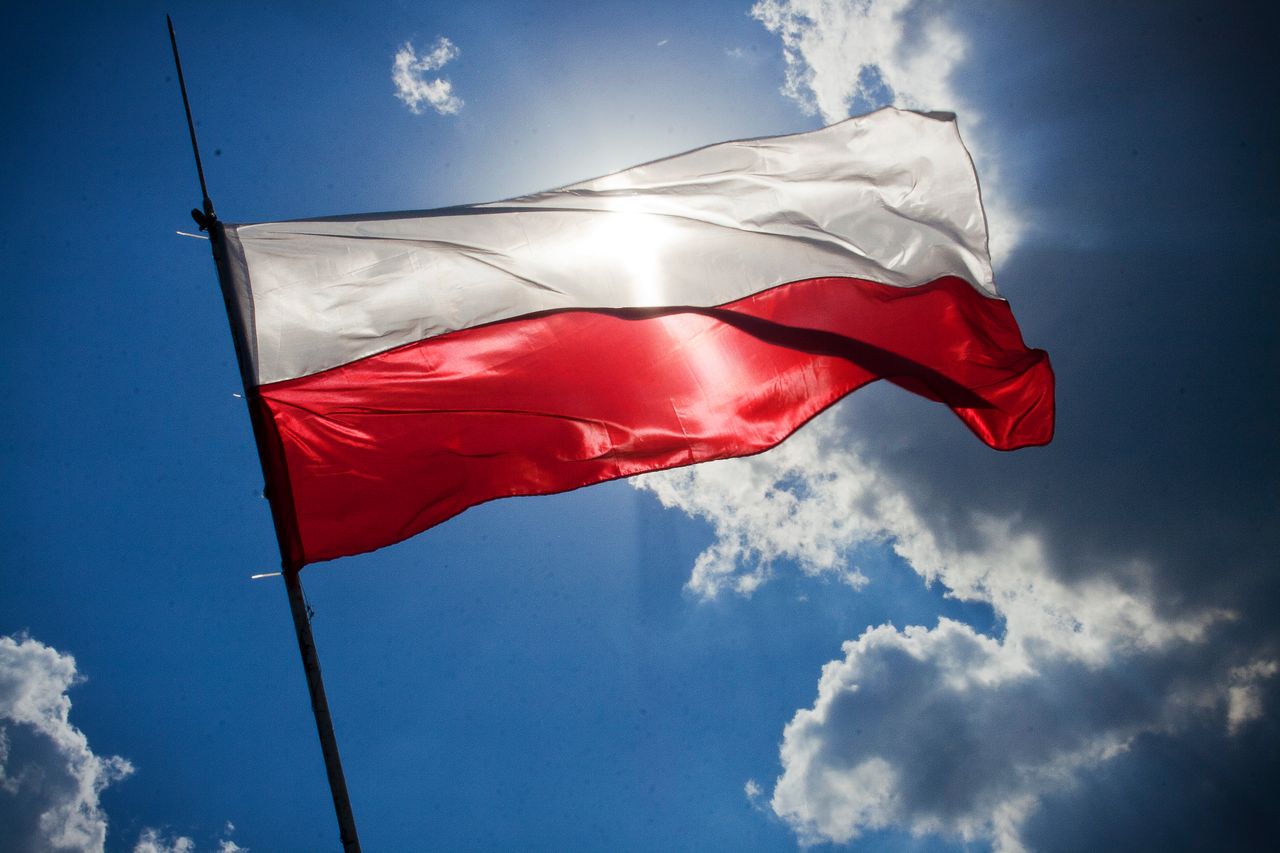
Photo by Karolina Grabowska www.kaboompics.com: https://www.pexels.com/photo/flag-of-poland-5611/
When people think about learning a foreign language, they usually go for the obvious choices: English, of course, followed by Spanish for travel, French for culture, and Mandarin or German for business. Polish rarely makes an appearance on those lists of the top languages to learn.
What a boring list, I say.
Well, to be fair, it makes sense. Polish can hardly be considered a global lingua franca that allows you to travel the world with ease. It’s also widely regarded as a difficult language. Look at a Polish word like szczęście or bezwzględny, and you might suspect that the vowels have simply been kidnapped from the sentence.
And yet, native speakers pronounce these words and use them effortlessly every day. Believe it or not, with a little time and effort, you can learn to do the same.
Polish might look like complete chaos at first, but learning it can be an incredibly rewarding experience. It can even be strangely beautiful.
So, here are 10 reasons why anyone (yes, including you!) should consider learning Polish.
1. Polish Makes Your Brain Stronger
Learning Polish is basically mental weightlifting. That’s how one of my students described it. He loves going to the gym and working out, so he decided to give his brain the same treatment by learning Polish.
And he has a point. Learning a language gives your brain a serious workout. While some people swear by crossword puzzles and brain teasers, research suggests that bilingualism may help support certain aspects of cognitive health as we age.
So why not challenge yourself and dive into Polish consonant clusters, noun cases, and verbs of motion?
Once you start getting the hang of it, you’ll notice patterns, recognise complex structures, and gradually develop an appreciation for the language’s intricacies. Your brain starts making connections you couldn’t have imagined when you first encountered a word like bezwzględny.
And after learning Polish, all your other challenges might suddenly seem a little more manageable.
Doing your taxes? Easy.
Assembling furniture? A two-year-old could do it.
Existential despair? At least it doesn’t come with locative case endings!
2. You’ll Impress Literally Everyone
When people meet a foreigner in Poland, they often switch to English almost immediately. That’s why native speakers are usually surprised — and genuinely delighted — when they discover that you’ve voluntarily decided to learn their language.
You don’t need perfect grammar or an impressive vocabulary to make a good impression. Even a few words can go a long way.
Imagine casually saying:
„Nie mieszkam w Warszawie.” (I don’t live in Warsaw.)
And suddenly, the praise starts pouring in as though you’ve just performed open-heart surgery.
Honestly, learning to pronounce szczęście correctly might earn you more compliments than you’d expect.
3. If You Already Live in Poland, It’s a No-Brainer
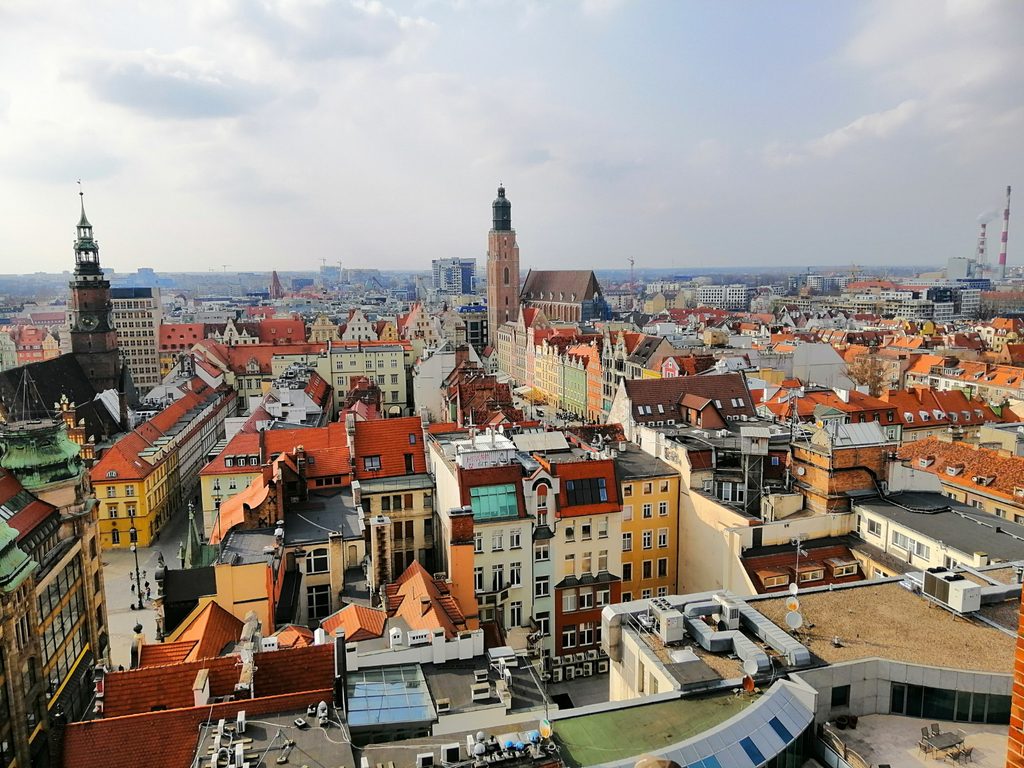
Image by wirestock on Magnific
I know people who have lived in Warsaw or Kraków for years and whose Polish is still limited to „Piwo, proszę!” (A beer, please).
They speak English at work and English at home. They get by perfectly well, and obviously, I don’t judge them. Everyone has the right to decide how they spend their free time and whether learning Polish is a priority.
But if you’re planning to stay in Poland for a while, learning the language can make a world of difference.
Perhaps you want to explore the countryside rather than stick to the major cities. Perhaps you’d like to attend a family gathering without being the only person who doesn’t understand the jokes. Or maybe you’re tired of conversations switching to English just to make sure you can participate.
It’s lovely that people make an effort to include you. But wouldn’t it be even better to understand the conversation without everyone having to switch languages?
Of course, there are plenty of reasons why someone might live in Poland without speaking Polish. That’s perfectly fine!
Still, there’s no doubt that learning the language gives you a deeper insight into the country’s culture, society, and everyday life.
And who knows? You might discover that the country you thought you knew has a whole other side to it.
4. Polish Gives You Access to an Incredible Culture
Polish culture is seriously underrated.
World-famous composers, brilliant filmmakers, influential philosophers, remarkable painters, celebrated writers, pioneering scientists — and some of the darkest humour on Earth.
There’s an enormous amount to discover.
Of course, you can enjoy Polish films with subtitles, read translated books, and listen to music without understanding every word. But knowing the language allows you to experience these things differently.
You can appreciate the wordplay in a joke, notice the nuances in a novel, or understand the lyrics of a song without having to look up a translation.
And sometimes, it’s the little things that make the biggest difference.
5. Travelling in Poland Hits Different When You Speak the Language
Tourists visit Poland, but people who speak Polish get to experience it.
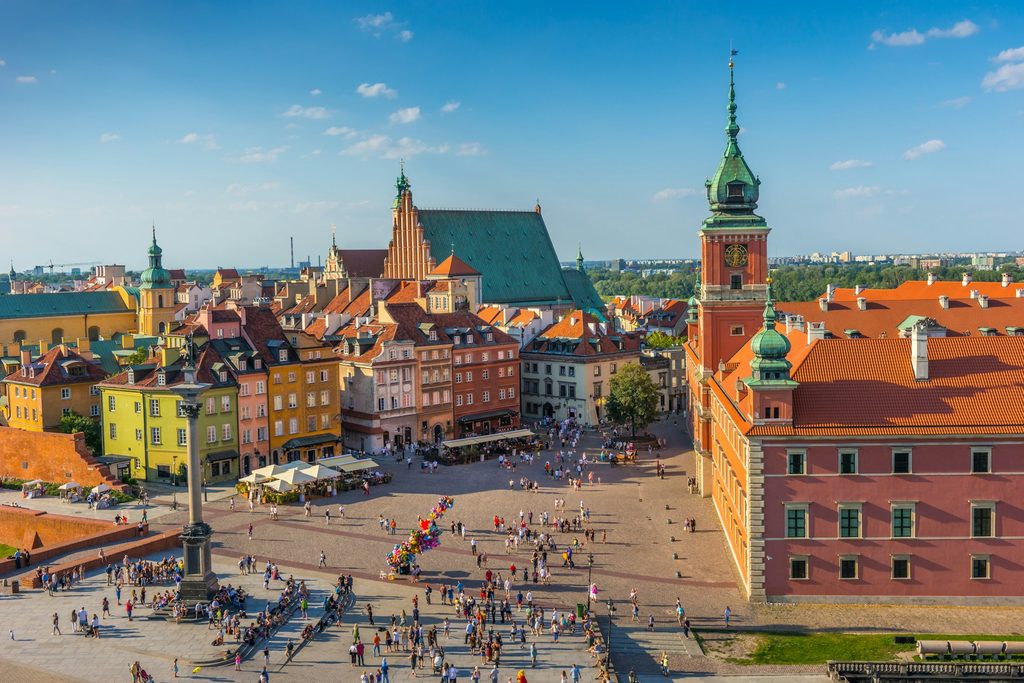
Photo by Wojciech Wyszkowski on Unsplash
The moment you can read signs, understand train announcements, joke with waiters, or follow conversations in cafés, the country starts to feel different. You stop feeling like an outsider looking in and begin to feel more connected to the place and the people who live there.
And remember: Poland isn’t just Warsaw, Kraków, and a handful of other major cities.
Venture beyond the popular tourist destinations, and you’ll discover beautiful countryside, charming little villages, and historic towns that are well worth exploring.
English is generally less widely spoken in some rural areas, so knowing a little Polish can make your travels considerably easier.
You might even find yourself having conversations you would otherwise have missed, discovering places you wouldn’t have visited, or making connections that turn an ordinary trip into a memorable experience.
And isn’t that what travelling is all about?
6. Polish Opens the Door to Other Slavic Languages
Polish belongs to the Slavic language family, which means that learning it can help you recognise vocabulary and grammatical patterns in other Slavic languages, including Czech, Slovak, Ukrainian, and Russian.
Similarities begin to emerge. Familiar words pop up in unexpected places. Grammar starts to make a little more sense.
Before you know it, you’re visiting Prague for a long weekend and realising that you can actually recognise the words on signs and menus.
What an achievement!
Polish can become your gateway to an entire region of Europe whose languages and cultures are often overlooked by foreign language learners.
And the benefits don’t stop there.
Learning a language as grammatically complex as Polish can also help you become a more confident language learner. You develop patience, learn to recognise patterns, and become more comfortable with not understanding everything straight away.
Once you’ve battled Polish linguistic monsters, learnt to pronounce wstrząs, and survived the locative case, another language might not seem quite so intimidating. You can handle this.
7. Polish Pronunciation Becomes Weirdly Fun
Let’s be honest: Polish pronunciation can look intimidating at first.
All those consonants! All those combinations of letters that seem to have been invented purely to confuse foreigners!
But believe me, you can get used to it.
With practice, your mouth gradually adapts, and sounds that once seemed impossible start to feel natural. Many learners even grow to love the rhythm and expressiveness of Polish.
One day, buying a bus ticket to Szczebrzeszyn might no longer feel like attempting an impossible tongue twister. Instead, you’ll pronounce the name without giving it a second thought.
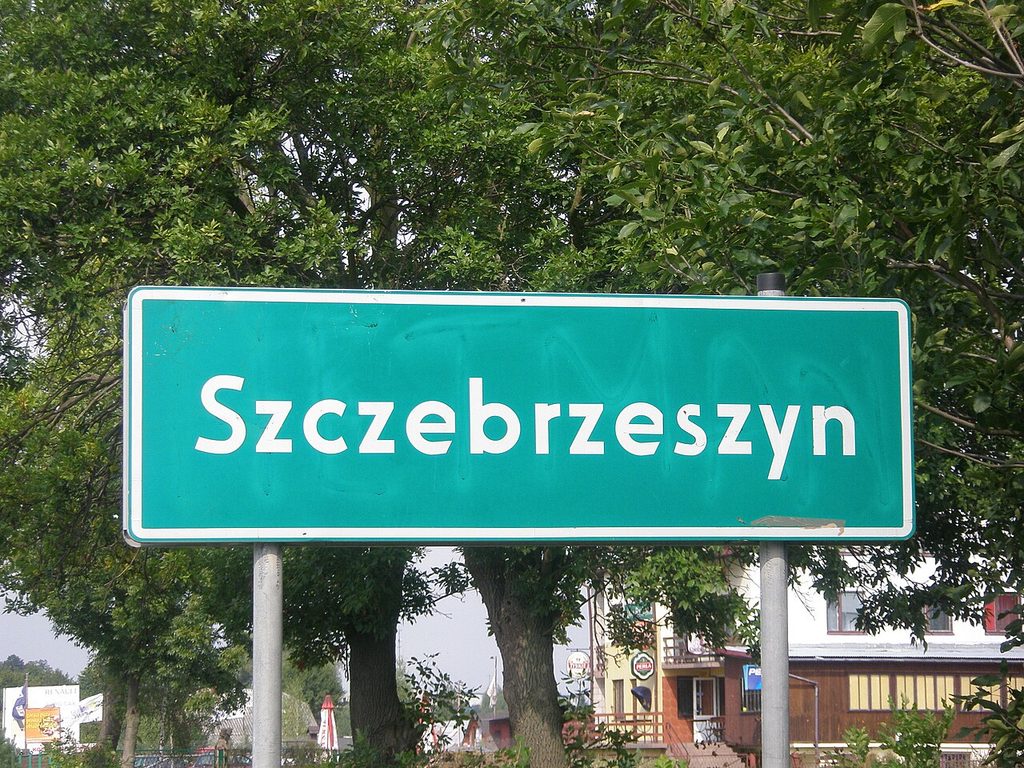
And that moment when you realise you can say a word that once seemed completely unpronounceable?
Pure satisfaction.
8. You’ll Discover a Whole New World of Polish Food
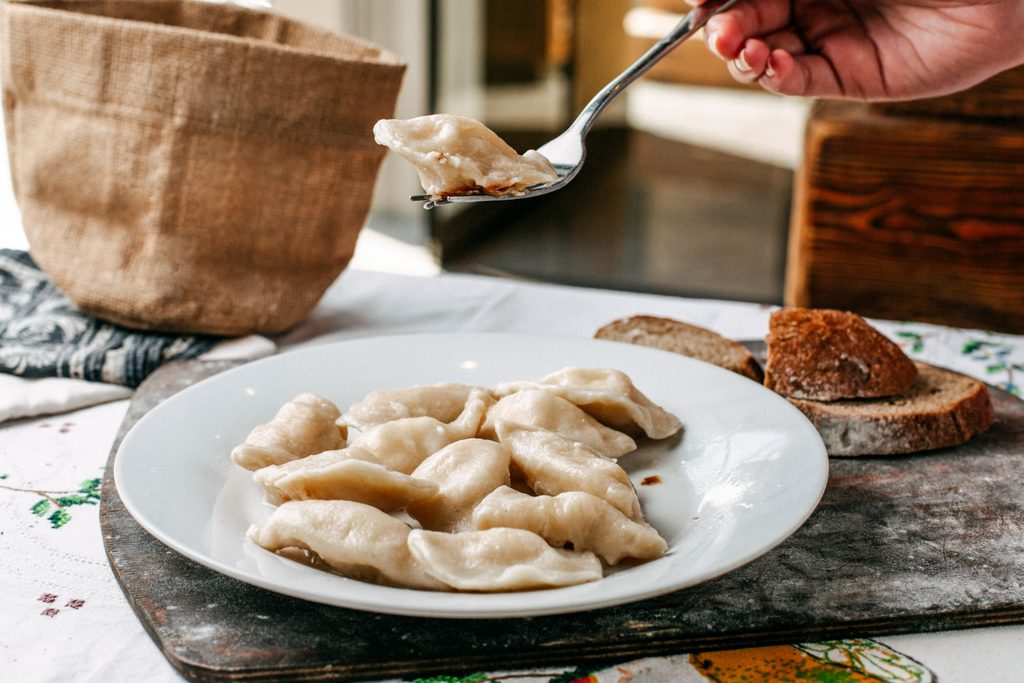
Image by KamranAydinov on Magnific
You know those touristy restaurants around the main squares of popular cities? The ones with English menus, inflated prices, and food that’s dissapointing?
Now, I’m not saying that every restaurant catering to tourists is bad. But if you want to discover a different side of Polish cuisine, it’s worth venturing a little further afield.
Have you ever heard of a bar mleczny?
These traditional, canteen-style eateries serve affordable, home-style Polish food. You grab a tray, order at the counter, and might feel as though you’ve travelled back in time to the communist era.
And the best part? You can often enjoy a hearty meal without spending a fortune.
There’s just one small catch: the person behind the counter probably doesn’t speak English. Knowing a little Polish can make ordering much easier — and save you from the terrifying experience of trying to decipher an unfamiliar menu while a queue forms behind you.
So, learn a few food-related words, step inside, and give it a go. You’re in for a treat!
9. Polish Literature Is Incredible

Photo by Tima Miroshnichenko, via Pexels.
From Nobel Prize-winning authors to obscure crime novels, Polish literature has something to offer almost everyone.
I’m a huge fan of contemporary Polish literature and could happily talk about it for hours. Unfortunately, not everyone shares my enthusiasm for discussing books, but that’s a story for another time.
The point is that Polish literature is a fascinating world to explore.
Reading a book in translation can be a wonderful experience, but something inevitably gets lost along the way. Wordplay, cultural references, subtle changes in tone, and the particular rhythm of an author’s language don’t always survive the journey into another language.
Reading in the original allows you to experience a book in a completely different way.
You don’t have to start with a thousand-page novel filled with philosophical reflections and complicated vocabulary, either. Short stories, contemporary fiction, and accessible texts can all be excellent starting points.
And if you’re anything like me, you’ll soon discover that Polish writers are particularly skilled at making you question your entire existence before breakfast.
If you want to know more about learning Polish through Polish literature, check out my Polish literature course!
10. Because Difficult Things Are Worth Doing
Not every worthwhile skill has to be practical in the most obvious way.
Sometimes, learning something is valuable precisely because it challenges you.
Learning Polish teaches you patience, discipline, humility, and persistence. It expands your understanding of history, culture, and communication. It forces you to step outside your comfort zone and accept that, for a while, you might feel like a complete beginner.
And that’s okay.
You don’t have to learn Polish because you need it for your career, because you’re planning to move to Poland, or because you have a Polish partner.
You can learn it simply because you’re curious.
Because you want to challenge yourself.
Because you want to discover a new culture, read a book in its original language, or understand what people are saying around you.
And then, one day, after months or even years of effort, something wonderful happens.
You suddenly understand a conversation without translating every word in your head.
You recognise a joke. You follow a story. You express an opinion and realise that you’re no longer struggling to find every single word.
That moment feels magical.
And all those hours spent wrestling with Polish grammar suddenly seem worth it.
Unless you live in Poland or have a Polish partner, Polish might not be the most obvious choice when deciding which language to learn.
But perhaps that’s precisely what makes it so special. You don’t need a practical reason to learn Polish. Curiosity is reason enough.
And if you’re ready to give it a try, you don’t have to figure everything out on your own.
Check out my online Polish classes and let’s start your Polish learning journey together. And who knows? You might discover that Polish is not nearly as terrifying as it first appears.